
Launch in Days, Not Weeks
Professional one-page website. Only a few slots left this month
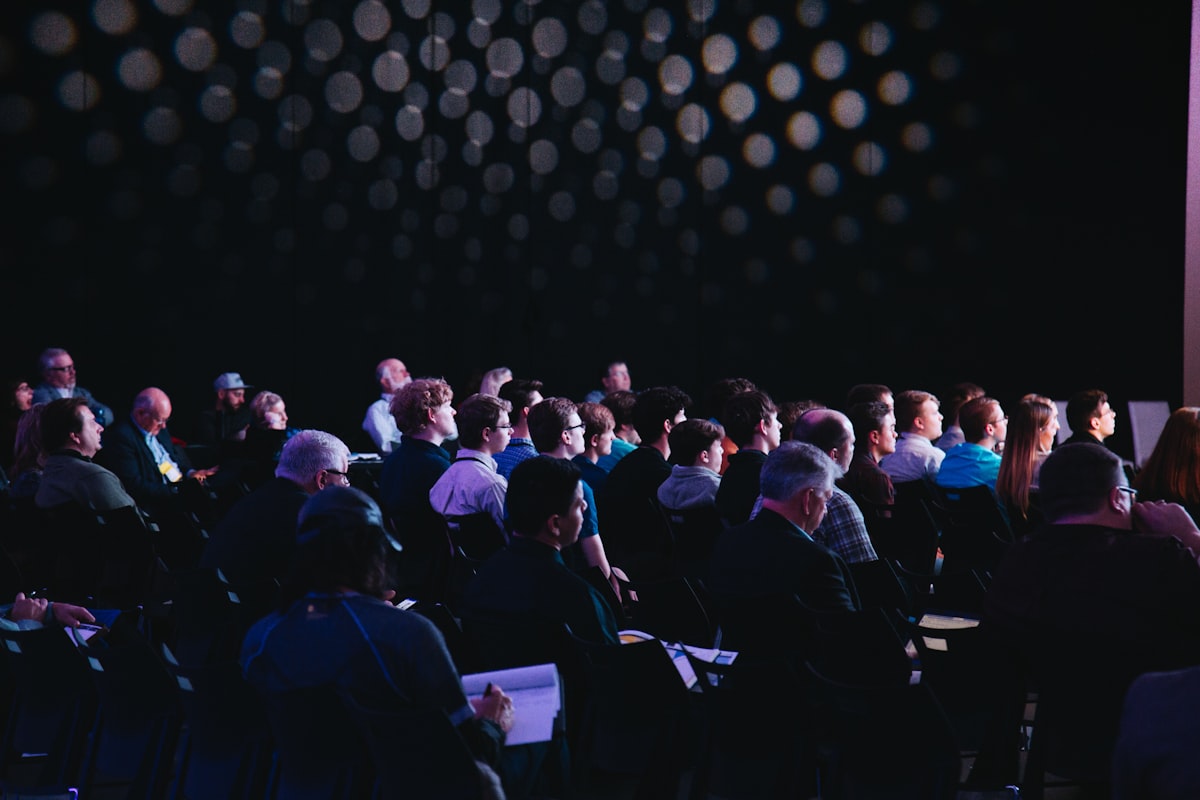
Event planners researching venues need four answers immediately: What’s the capacity? What does it look like? What does it cost? Is it available on my date? If your website makes them email for any of these, you’ve lost them to a competitor who shows it upfront.
According to 2026 UK wedding and event industry research, venues need slick websites, active social channels, virtual tours, and clear pricing to make it easy for planners to see what they’re getting, ask questions, and book without friction. Transparency isn’t optional, it’s what converts enquiries into bookings.
Here’s the event venue website formula that turns browsers into confirmed bookings.
Show each bookable space with high-res photos (empty and set up for events), capacity (theatre style, cabaret, standing reception), dimensions, and key features (AV equipment, natural light, accessible entrance).
Example: “Main Hall: 200 theatre / 120 cabaret / 250 standing. 12m × 15m with built-in projector and sound system.” Planners need facts, not vague marketing copy about “elegant spaces perfect for any occasion.”
Include multiple angles: wide shots showing full room layout, detail shots of AV equipment and staging areas, photos of the space set for different event types (conference, wedding reception, awards dinner). This helps planners visualise their specific event in your space.
According to research on virtual tours, 74% of planners now shortlist venues based on the quality of their virtual walkthroughs before they ever request a physical site visit. Interactive media can increase direct booking rates by 14% while significantly reducing bounce rates on gallery pages.
Optimise images properly. Large, uncompressed photos kill page speed on mobile. Use WebP format compressed to under 300KB per image. Planners browse venues on phones during commutes, slow load times lose bookings.
Show starting prices or bracket pricing: “Half-day hire (4 hours): £400-600 depending on day. Full-day hire (8am-midnight): £1,200-1,800. Includes tables, chairs, basic AV. Catering packages available from £25pp.”
Transparency builds trust and filters budget shoppers. When prospects can’t see prices, they assume you’re expensive and move on. Clear pricing attracts serious enquiries from people who can afford your venue and scares away tyre-kickers wasting your time with unrealistic budgets.
Include what’s included and what’s extra: staffing, bar service, kitchen access, cleaning, security deposits, setup/breakdown time. Hidden costs at enquiry stage damage trust and cause drop-offs. Planners comparing five venues will shortlist the three that show clear pricing and ignore the two playing mystery pricing games.
According to 2026 venue booking trends, more venues are moving towards all-inclusive or semi-inclusive pricing models, making outliers easier to spot, as long as you request full breakdown upfront. Transparent pricing improves conversion rates and reduces friction in the sales funnel.
Create package tiers if applicable: basic room hire, standard package (room + tables/chairs + AV), premium package (everything plus catering and bar service). Three-tier pricing gives planners options and upsell opportunities while maintaining clarity.
The first question is always “Are you free on [date]?” Embed an availability checker or calendar showing booked vs available dates. Even a simple enquiry form asking for event date, type, guest count, and budget gets them started.
Respond within two hours, venue bookings are competitive and planners are comparing 3-5 options simultaneously. The venue that replies fastest with availability confirmation and tentative pricing often wins the booking, even if they’re not the cheapest option.
Use a dedicated enquiry form with specific fields:
Specific questions filter serious enquiries and give you context before the first conversation. Generic “message us” contact forms don’t provide enough information to qualify leads or respond intelligently.
Include calendar integration if you use booking software. Platforms like EventBookings and similar systems offer pricing plans for online and venue events, often with integrated availability calendars that sync with your internal systems.
Photos are good; 360° virtual tours or video walkthroughs are better. Event planners want to visualise their event in your space before booking a viewing.
Use Matterport for 3D tours or a simple smartphone video walking through each space. According to virtual tour pricing data, single-location tours typically start from around £750 + VAT, with portfolio or multi-site bookings benefiting from discounted rates.
This pre-qualifies enquiries, only serious planners book viewings after seeing comprehensive virtual tours. You reduce wasted time on site visits from people who would’ve eliminated you immediately upon seeing the space in person.
Video walkthroughs work well if budget constraints prevent professional virtual tours. Record during a styled event or empty space (depending on what shows your venue best). Narrate as you walk: “This is our main hall configured for a 150-person wedding reception. Notice the natural light from south-facing windows and the built-in sound system.”
Keep videos under 3 minutes. Planners want quick orientation, not 10-minute cinematic productions. Include lazy loading for videos, don’t auto-load heavy video files on page load. Use click-to-play thumbnails that load the actual player only when visitors engage.
Show what your venue has hosted: corporate conferences, weddings, birthday parties, product launches, charity fundraisers. Include photos and brief descriptions: “50th birthday celebration for 80 guests - Main Hall with DJ, buffet catering, and bar service.”
This helps planners picture their event and validates your experience. If someone’s planning a corporate awards dinner, seeing photos of your space set for similar events builds confidence that you understand their needs.
Include variety. Don’t show only weddings if you want corporate bookings. Don’t show only daytime conferences if you host evening parties. Demonstrate versatility through case studies spanning different event types, capacities, and styles.
Quote clients where possible (with permission): “The team at [Venue Name] made our product launch seamless. The built-in AV meant minimal setup time and the space looked incredible on camera.” - Marketing Director, [Company Name].”
Specificity builds credibility. Generic praise like “amazing venue, highly recommend!” doesn’t convince sceptical planners comparing multiple options. Specific details about what worked and why matter more.
Most venue searches are local: “conference venue Nottingham” or “function room Manchester.” Optimise your site for these searches by including your town in titles, headings, and content.
According to local SEO best practices, create pages for event types: “/wedding-venue-nottingham” or “/corporate-event-space-manchester.” This targets specific search queries and helps you outrank generic venue directories that don’t optimise for local + event type combinations.
Include your full address, phone number, and directions on every relevant page. Embed Google Maps showing your location. Mention nearby landmarks, transport links, and parking: “5 minutes from Nottingham train station with free on-site parking for 100 vehicles.”
Claim and optimise your Google Business Profile. Encourage past clients to leave reviews. Local search rankings factor in proximity, reviews, and NAP (Name, Address, Phone) consistency across web mentions. Keep this information identical everywhere it appears online.
Link to local area guides if relevant: “Nottingham city centre is 10 minutes away with hotels, restaurants, and attractions for out-of-town guests.” This adds local relevance and helps planners understand logistics for attendees travelling to the event.
Generic copy like “our stunning venue is perfect for any event” says nothing. Show capacities, dimensions, included equipment, and pricing. Planners need specifics to evaluate whether your space fits their needs.
Stock photos of generic event spaces don’t work. Planners can tell the difference between authentic venue photos and purchased imagery. If you’re using stock photography because your space isn’t photo-ready, invest in staging and professional photography before launching your website.
Don’t hide contact information behind forms. Display phone number and email address prominently. Some planners prefer calling directly, especially for complex enquiries or last-minute availability. Forcing form submission when they want to talk loses bookings.
Avoid “request a brochure” CTAs that gate basic information. Your website should BE the brochure. Everything a planner needs to shortlist you, photos, capacity, pricing, availability, should be visible without downloading PDFs or submitting forms.
Most venue websites fail these basics. Stale photos. Hidden pricing. No availability calendar. Generic descriptions that could apply to any function room in the UK. If your venue gets 50+ site visits per month but only 2-3 enquiries, your pricing or availability information is hidden.
Fernside Studio builds conversion-led sites for UK event venues. Studio Site includes space galleries with capacity details, pricing pages, enquiry forms with calendar integration, virtual tour embeds, case study sections, and local SEO optimisation for “[event type] [town]” searches.
Every site is hosted on Cloudflare Pages for instant load times, built with responsive design for mobile-first planners researching venues on phones, and optimised for conversion. Optional Fernside CMS lets you update availability, add event photos, and manage content without developer support.
Still using a basic website with “contact us for pricing” and no photos of your actual space? That worked in 2015. In 2026, transparency converts. Get in touch and we’ll scope a site that turns enquiries into confirmed bookings.