
Launch in Days, Not Weeks
Professional one-page website. Only a few slots left this month
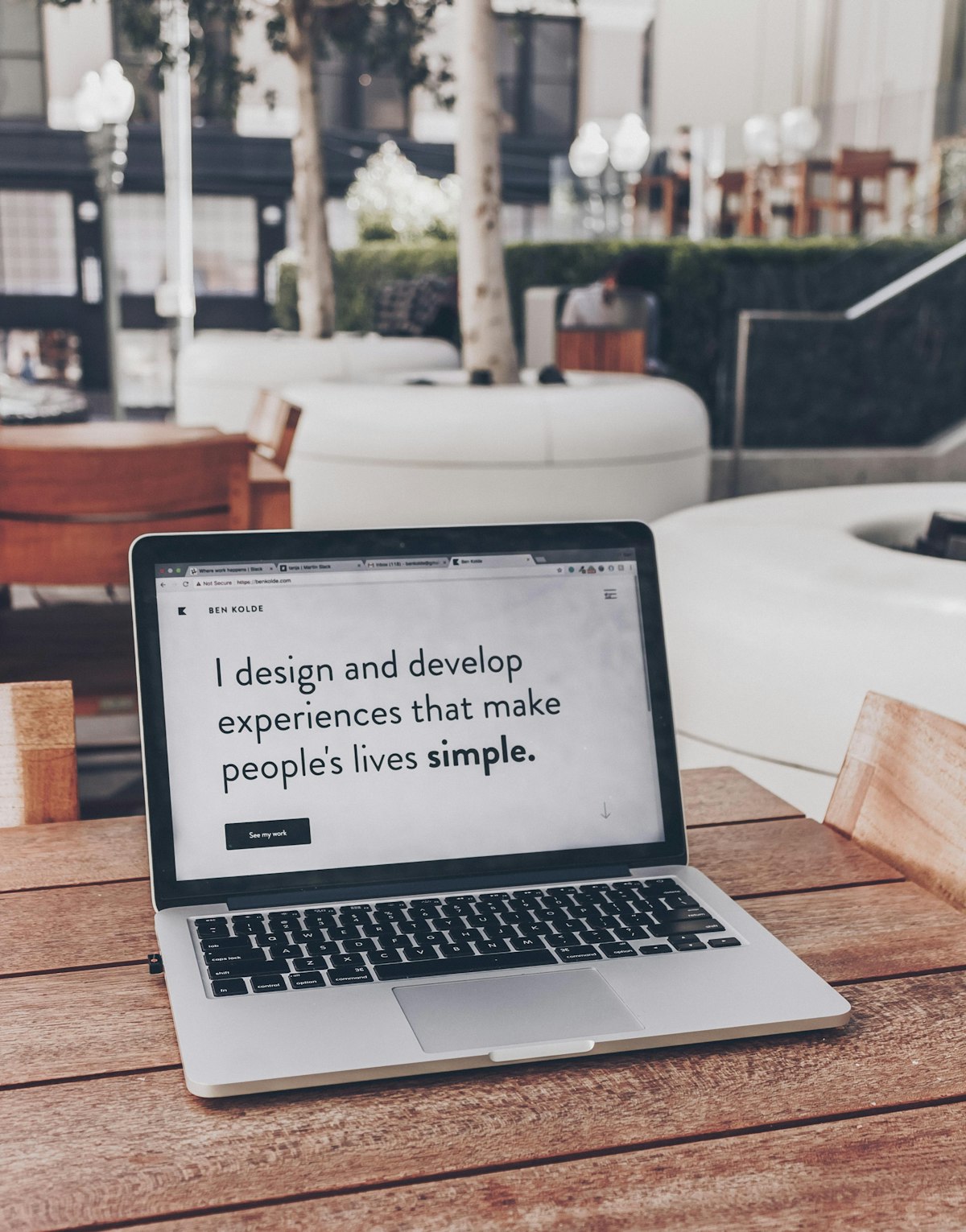
Your website forms an opinion about your business before a single word is read. According to research published by Taylor & Francis, visitors make a snap evaluation of your website’s visual appeal, layout, and clarity in approximately 0.05 seconds: literally the blink of an eye. For 94% of users, that initial impression hinges entirely on design elements.
This matters because in that fraction of a second, your website is broadcasting signals: whether your business cares about details, whether you’re established and trustworthy, whether your services are worth premium pricing. A dated website doesn’t just look old; it suggests your business is outdated, unresponsive, or simply doesn’t prioritise quality.
When a potential client lands on a website with a 2015-era design, they’re not just seeing old fonts and clunky navigation. They’re interpreting that visual information as evidence about your business practices.
“This business doesn’t care about details.” If you can’t maintain a professional web presence, the most visible part of your operation, what else are you neglecting? A website riddled with broken layouts, inconsistent spacing, or misaligned elements suggests carelessness that extends to client work.
“They’re probably not very busy.” Successful businesses invest in their storefront. A stale website implies you haven’t grown enough to afford proper design, or that you’re not bringing in enough work to justify the update. Neither interpretation helps you win the next client.
“Their prices must be low.” Visual quality directly influences perceived value. Research on the halo effect in branding psychology shows that one standout element; like a sleek, cohesive website; elevates perceptions of quality, trust, and credibility across your entire brand. A clunky or outdated design primes visitors to question whether the brand is equally outdated in its practices, and whether your services are budget-tier to match.
These aren’t fair judgements, but they’re automatic. The Stanford Web Credibility Research found that 75% of users judge a company’s credibility based on website design alone. Your service quality never enters the equation if they’ve already decided you’re not credible.
The inverse is equally powerful. A clean, fast, intentionally designed website sends immediate signals of competence:
“They take their business seriously.” Professional design suggests you’ve invested in your public-facing presence, which implies you invest similarly in client delivery. Details matter here; consistent branding, thoughtful typography, crisp imagery, logical navigation. These elements combine to create an impression of rigour.
“They’re established and busy.” A polished site suggests demand. It signals you’re generating enough revenue to maintain quality standards, which creates social proof. People want to work with businesses other people want to work with.
“They’re worth the premium.” Visual quality directly correlates with perceived service quality. A solicitor with a refined, authoritative website can command higher fees than one with a GoDaddy template, even if their legal expertise is identical. Design sets pricing expectations before you ever discuss rates.
According to CXL’s research on first impressions, aesthetic treatment increases credibility ratings in 90% of cases. This effect settles in within the first few seconds a user views your site.
Here’s where design quality affects everything downstream. If your hero section creates a strong first impression, visitors will interpret the rest of your site, and your business; more favourably. If the first screen looks dated, they’ll scrutinise every subsequent claim with scepticism.
This halo effect extends beyond design. A study on website design quality and trust found that cosmetic website design quality had a direct and meaningful effect on perceived information quality and user enjoyment. In other words, people trust the content more when the design is strong.
You see this clearly in trades and professional services. Consider two plumbers:
Plumber A has a GoDaddy template site with stock photos of generic pipes, typos in the service descriptions, a cluttered layout, and no clear CTA. The site loads slowly on mobile. Contact information is buried three clicks deep.
Plumber B has a clean, responsive design with real photos of their van and team, clear pricing brackets, client testimonials with full names and postcodes, and an above-the-fold phone number. The site loads instantly on any device.
Both plumbers charge the same. Both have identical qualifications. But Plumber B will get significantly more inbound calls, and will field fewer “just shopping around” price-checkers. The website sets the expectation that this is a professional operation worth paying for.
If you’re wondering whether your current site is sending the wrong signals, our Is my website good enough? guide walks through the specific warning signs.
Not all design elements carry equal weight. Some specific choices actively build or destroy trust in those critical first seconds.
Generic stock imagery, the smiling office workers high-fiving, the businesswoman pointing at a chart, the perfect coffee-shop meeting; has flooded the web so thoroughly that it now creates “visual sameness.” Visitors recognise stock photos instantly, and research on stock photos vs real imagery shows sites using high-quality, genuine imagery achieve 30 to 35% higher conversion rates than those relying on stock photos.
Real photos of your actual team, your workspace, your projects in progress. These humanise your brand and build immediate trust. Actual photos of real team members are more credible than anything that clearly comes from a catalogue. We covered this thoroughly in Founder photoshoots for SMB websites.
Style drift, where different pages use different fonts, colours, button styles, or imagery treatments; suggests the site was built piecemeal without oversight. It signals disorganisation and lack of attention to detail.
Consistent branding across every page creates subconscious trust. Visitors don’t consciously think “this brand is cohesive,” but they feel the professionalism. Typography, colour palette, spacing, imagery style. These should follow clear patterns throughout.
Your website copy is part of the first impression. Spelling errors, grammatical mistakes, vague placeholder text (“We offer quality services”), or inconsistent tone all undermine credibility. They suggest carelessness or lack of expertise.
Conversely, clear, specific copy that speaks directly to your audience’s pain points and demonstrates deep subject knowledge reinforces the trust your design has established. The words and the visuals must work together.
Transparency builds trust. If you can provide even indicative pricing; starting from £X, typical projects range £Y to Z, day rates of £A; you’re signalling confidence and honesty. Hiding all pricing behind “contact us for a quote” creates suspicion about overcharging or inconsistent pricing.
We publish fixed pricing for our Launch Sprint (£750) and starting points for Studio Sites because we want qualified leads who already know the investment range. It filters out poor-fit enquiries and builds immediate trust with the right clients.
Page speed isn’t just a technical concern; it’s a trust signal. A slow-loading site suggests outdated technology and poor technical standards. Research shows that a one-second delay in page load time can lead to a 7% drop in conversions. More dramatically, users expect load times under three seconds; beyond that, bounce rates spike by 32%.
Mobile performance matters even more. Over 60% of web traffic comes from mobile devices. If your site doesn’t work seamlessly on a phone; if text is too small, buttons are too close together, or responsive design breaks; you’re signalling that you don’t understand your audience or current web standards.
The signals your website sends vary by industry. Here’s what potential clients are specifically looking for:
Plumbers and tradespeople (web design for plumbers): Fast site, real van and team photos, local area coverage clearly stated, phone number prominent, proof of qualifications and insurance, recent project photos. A clunky website suggests clunky workmanship.
Dental practices (web design for dental): Calm, clean design that reduces anxiety, real photos of the actual surgery and practitioners, clear treatment information, transparent pricing, easy online booking. A dated website suggests dated equipment and techniques.
Law firms (web design for law firms): Authority and gravitas through typography and layout, real solicitor photos and credentials, clear practice areas, case results or testimonials, professional copy. A cheap-looking site suggests inexperienced or unsuccessful lawyers.
Each industry has specific trust signals. The common thread is authenticity, professionalism, and attention to detail.
If your competitors have invested in professional web presence and you haven’t, you’re fighting an uphill battle for every enquiry. Prospects will compare your site to theirs; often side by side, and draw conclusions about relative quality and value.
This doesn’t mean you need to outspend everyone in your market. It means you need a site that signals professionalism, competence, and value at the level you actually operate. If you’re a premium service provider, your website needs to reflect that positioning, or you’ll only attract price shoppers.
Our Competitors have better websites guide explores this positioning challenge in depth. The core principle: your website should represent the business you are, not the business you were three years ago.
If you’ve recognised your current site in the “dated website” description above, the fix isn’t necessarily a complete rebuild. Sometimes it’s targeted improvements:
For sites where the foundation is solid but visual language has drifted, our Website redesign service focuses on refreshing design without rebuilding infrastructure.
For sites where the entire structure is outdated; built on deprecated platforms, fundamentally broken on mobile, or simply misaligned with your current positioning, a Studio Site makes sense. We build from scratch on Astro and Cloudflare Pages, ensuring fast, modern, maintainable sites that represent your business accurately.
If you’re testing demand for a new service or launching a focused campaign, a Launch Sprint delivers a conversion-focused one-page site in five days. It’s a faster, cheaper way to create a professional first impression for a specific use case.
The 0.05 seconds your website has to make an impression isn’t a design problem; it’s a business problem. Every day your site sends signals of negligence, outdated practices, or budget positioning, you’re losing qualified leads to competitors with better web presence.
The good news: this is fixable. Unlike actual service delivery quality, which requires expertise, systems, and time to improve, your website can signal professionalism immediately. It’s one of the few business investments where the return is both measurable and near-instant.
If you’re unsure whether your current site is helping or hurting, check our Website looks outdated guide for specific warning signs. Or book a call to discuss whether a Launch Sprint, Studio Site, or targeted redesign makes sense for your situation.
Your website talks about your business whether you want it to or not. Every day it sends the wrong signals is a day qualified prospects are choosing competitors with better web presence.
Don’t let another month go by with a site that undermines your expertise. Check availability for a Launch Sprint or Studio Site — we only take on a few projects each month, and we’ll confirm your earliest build slot within 24 hours.